What are the best ways to prevent window condensation in Bristol homes?
Window condensation is one of the most common complaints Bristol homeowners make during the colder months. You wake up, look at your windows, and they’re covered in a layer of moisture that obscures your view and leaves water pooling on the sill. It’s frustrating, and if left unchecked, it can lead to mould growth and damage to your window frames and surrounding walls. But why does it happen, and more importantly, what can you do about it?
What causes window condensation in Bristol homes?
Condensation forms when warm, moisture-laden air inside your home comes into contact with a cold surface—typically your windows. During winter in Bristol, the temperature difference between your heated interior and the cold outside air is significant. When that warm air hits the cold glass, the moisture in the air condenses into water droplets. This is especially common in kitchens and bathrooms, where activities like cooking and showering release large amounts of moisture into the air.
Older, single-glazed windows are particularly prone to condensation because the inner pane of glass gets very cold. Modern double-glazed windows perform much better because the inner pane stays warmer, reducing the temperature difference needed for condensation to form.
How do modern double-glazed windows help prevent condensation?
This is where upgrading to quality double glazing makes a real difference. Double-glazed windows have two panes of glass with a sealed air gap between them. This air gap acts as an insulator, keeping the inner pane of glass warmer than it would be in a single-glazed window. The warmer inner surface means condensation is less likely to form, even when there’s moisture in the air.
At Associated Windows, we supply and install high-quality uPVC double-glazed windows and aluminium windows across Bristol. Our Origin OW70 and OW80 aluminium windows are particularly effective at preventing condensation because they feature thermally broken frames—a layer of insulating material within the aluminium profile that further reduces heat loss and keeps the glass warmer.
What about triple glazing—is it worth considering for Bristol homes?
Triple glazing takes thermal performance even further. With three panes of glass and two air gaps, the inner pane stays even warmer, making condensation even less likely. For Bristol homeowners in period properties in areas like Henleaze, Redland, or Clifton, or those in newer builds in Bradley Stoke or Westbury-on-Trym, triple glazing can be a worthwhile investment if condensation is a persistent problem. However, it’s worth noting that the improvement over high-quality double glazing is often modest, and the additional cost may not always justify the benefit for most Bristol homes.
What practical steps can you take to reduce condensation?
While upgrading your windows is the most effective long-term solution, there are several practical steps you can take immediately to reduce condensation:
Improve ventilation: Open windows regularly, even in winter, to allow moist air to escape. In kitchens and bathrooms, use extractor fans during and after cooking or showering. Tilt and turn windows are particularly useful here because they allow background ventilation without fully opening the window, letting stale air escape while minimising heat loss. Our tilt and turn windows are popular with Bristol homeowners for exactly this reason.
Reduce moisture sources: Dry clothes outside or in a tumble dryer rather than on radiators. Wipe down shower screens and bathroom tiles after use. These simple steps reduce the amount of moisture in the air.
Maintain consistent heating: Keeping your home at a steady temperature, rather than heating it intensely and then letting it cool, helps prevent the temperature swings that encourage condensation.
Ensure good air circulation: Don’t block radiators or vents with furniture. Allow warm air to circulate freely around your home.
Why is condensation more common in Bristol during winter?
Bristol’s maritime climate means winters are relatively mild but often damp. The combination of moisture-laden air from the Atlantic and the temperature difference between heated homes and the cold outside creates ideal conditions for condensation. Older Bristol properties, particularly Victorian terraces in Bedminster, Bishopston, and Horfield, are especially prone to condensation because they often have poor ventilation and single or older double-glazed windows.
Should I be concerned about mould growth from condensation?
Yes. If condensation is left unchecked, it can lead to mould growth on window frames, sills, and surrounding walls. Mould is not only unsightly but can also trigger respiratory issues, particularly for children, elderly relatives, and anyone with asthma or allergies. If you notice mould developing, it’s a sign that condensation is a persistent problem that needs addressing. Upgrading to modern double-glazed windows and improving ventilation are the most effective solutions.
What’s the best solution for Bristol homeowners?
The most effective way to eliminate condensation is to upgrade to modern, high-performance double-glazed windows. At Associated Windows, we’ve been helping Bristol homeowners solve condensation problems for over 30 years. Our team can assess your home, understand your specific condensation issues, and recommend the right windows for your property and budget.
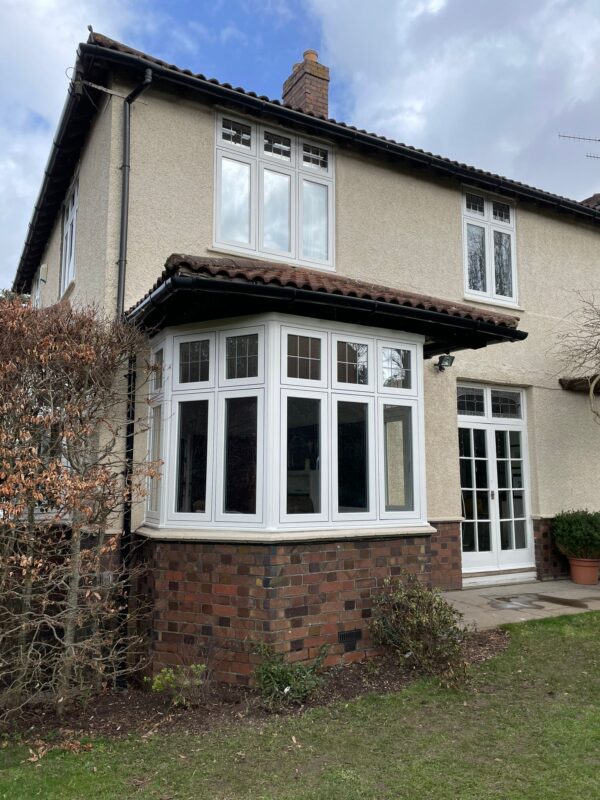
Whether you live in a period property in Clifton or Redland and need windows that respect the character of your home, or you’re in a modern property in Bradley Stoke or the city centre and want the latest thermal technology, we have a solution. Our uPVC windows offer excellent value and performance, while our Origin aluminium windows provide premium thermal efficiency and a sleek, contemporary look.
All our windows come with a 10-year insurance-backed guarantee, and Origin products carry up to a 20-year guarantee. We’re a Which? Trusted Trader, FENSA registered, and our team consists of directly employed installers who take pride in their work. We provide free, no-obligation quotes with transparent pricing—no hard-sell tactics, just honest advice.
If condensation is affecting your Bristol home, don’t wait for mould to develop. Get in touch with our team today for a free quote, or visit our showroom at 32-34 Gloucester Road North in Filton to see our full range of windows in person. We’re open Monday to Friday 9am–5pm and Saturday 9am–3pm, with free parking and a children’s play area. We’d love to help you solve your condensation problem and transform your home with beautiful, energy-efficient windows.
Back to news